|
단기4355년
문화재청(청장 최응천)과 (사)한국문화유산활용단체연합회(회장 김선의)는 이달부터 2022년 지역문화유산 활용사업을 더욱 알리기 위해 다양한 홍보를 실시한다. 문화재청이 매년 지자체 공모를 통해 선정·지원하는 지역문화유산 활용사업은 지난 2008년부터 문화유산에 내재된 의미와 가치를 지역 자원과 결합하여 다양한 계층에게 참여․향유 기회를 제공하고, 부가가치를 창출하여 지역활성화에 이바지하고자 하는 사업이다. 올해에는 생생(生生)문화재 활용사업을 필두로, 문화재 야행(夜行)과 향교․서원, 전통산사, 고택․종갓집을 활용한 각종 공연, 전시, 체험 활동을 대상으로 전국에서 총 406건의 사업을 시행한다. 적극행정을 위한 협업기관과의 통합홍보를 위해 ▲ 한국관광공사와 협업하는 대국민 온라인 행사, ▲ 지역문화유산 활용사업 공식 누리집인「문화유산 유유자적」누리집(cha.go.kr/eventInfo/index.do)의 개편, ▲ 재한외국인 유학생 홍보 여행(팸투어) 등을 개최할 계획이다.
|
 |
|
| ⓒ hy인산인터넷신문 |
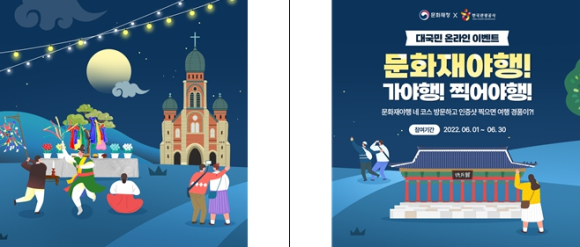
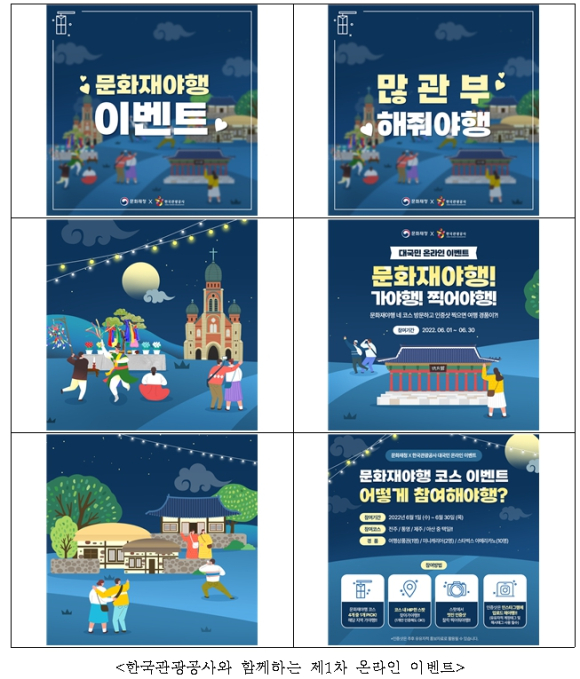
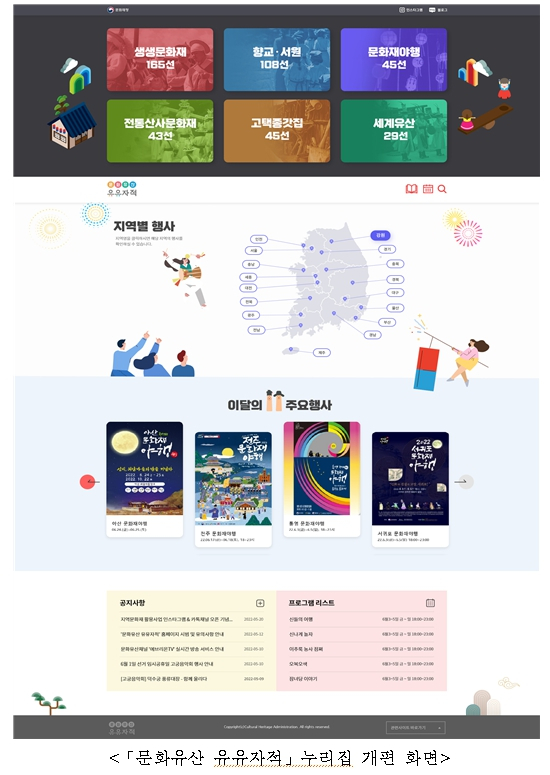
| 먼저, 6월 2일부터 30일까지 한국관광공사(사장직무대행 신상용)와 협업하여「대한민국 구석구석」누리집(korean.visitkorea.or.kr)에 제1차 대국민 온라인 행사를 시행한다. ‘문화재야행! 가야행! 찍어야행!’ 행사는 6월에 개최되는 문화재 야행 중 통영, 제주, 전주, 아산과 인근의 다른 지역문화유산 활용 현장을 방문한 인증사진을 촬영하여「문화유산 유유자적」인스타그램(instagram.com/uujj_cha)에 올리면, 총 13명을 선정하여 여행상품권 등 소정의 경품을 제공하는 내용이다. 다음으로 올해 새롭게 개편된 지역문화유산 활용사업 공식 누리집인「문화유산 유유자적」누리집(cha.go.kr/eventInfo/index.do)에 406건 지역문화유산 활용사업의 시기, 내용을 확인할 수 있으며, 게시판에서는 지난 지역문화유산 활용사업 홍보책자(PDF)를 내려 받을 수 있다. 문화유산 유유자적 인스타그램(instagram.com/uujj_cha)과 네이버 블로그(blog.naver.com/uu_cha)에도 지역문화유산 활용사업의 생생한 현장을 소개하고 있다. 이외에도 6월 9일에는 재한외국인 유학생들을 대상으로 서울과 경기 지역의 지역문화유산 활용사업 현장을 방문하는 소규모 홍보여행(팸투어)를 개최할 예정이다. 보다 확대된 재한외국인 유학생 홍보여행은 오는 10월에 개최될 계획이며, 세부내용은 추후 공지할 예정이다.
|
 |
|
| ⓒ hy인산인터넷신문 |
| 문화재청은 코로나19 상황이 호전되면서 문화유산 향유 기회가 확대되는 만큼, 우리 주변 가까이에 있는 각 지역의 문화유산 현장에서의 활용 프로그램에도 국민의 많은 관심과 방문이 있기를 기대한다.
The National Palace Museum of Korea Presents “Blueprints for the Installation of Water Pipes at Changdeokgung and Changgyeonggung Palaces” as the Curator’s Choice for June - Maps Detailing the Plans for the Installation of Water Mains and Fire Hydrants in the Palaces to Be Presented in the Gallery and Online Starting June 2 - The National Palace Museum of Korea (Director: Kim In Kyu), an affiliate of the Cultural Heritage Administration of Korea, has selected “Blueprints for the Installation of Water Pipes at Changdeokgung and Changgyeonggung Palaces” as its “Curator’s Choice from the Royal Treasures” for the month of June. They will be presented online in a YouTube broadcast on the channels of the Cultural Heritage Administration and the National Palace Museum of Korea starting June 2. * National Palace Museum of Korea YouTube: https://www.youtube.com/gogungmuseum * Cultural Heritage Administration YouTube: https://www.youtube.com/chluvu The blueprints were drawn up in 1908 for the installation of steel water pipes at Changdeokgung and Changgyeonggung Palaces. They consist of floor plans of the palaces drawn using modern measurement techniques and then further marked with details including the layout and specifications of the water mains and the locations of fire hydrants.
|
 |
|
| ⓒ hy인산인터넷신문 |
| The water pipes extend on the maps from Donhwamun (the main gate of Changdeokgung Palace), enter the main grounds of the palace through Geumhomun Gate, pass through various buildings of Changdeokgung and Changgyeonggung Palaces and eventually exit through Honghwamun (the main gate of Changgyeonggung). The plans were drawn up in 1908, after a modern water supply system had been introduced to Seoul. It can be seen on the maps that existing water mains were extended to the inside of the palaces. Fire hydrants were planned to be installed around the main buildings, including Injeongjeon, Daejojeon, Myeongjeonjeon, and Nakseonjae Halls. Water mains seem to have been installed in the palaces to prepare for fighting fires. The current arrangement of water pipes and fire hydrants at Changdeokgung and Changgyeonggung Palaces is significantly different from the locations marked on the plans. However, the locations of fire hydrants for the buildings, which have not changed in form or location since 1908, correspond with those indicated on the plans. The blueprints are on display in the Korean Empire Gallery on the first floor of the National Palace Museum of Korea. Those who are unable to visit the gallery can still enjoy this month’s Curator’s Choice virtually through a video with Korean and English subtitles available on the museum’s website (gogung.go.kr) and on the YouTube channels of the museum and the Cultural Heritage Administration of Korea. Attachment 1. Promotional Material 2. Image |

 회원가입
회원가입 기사쓰기
기사쓰기

 입력 : 2022년 06월 02일






 칼의 이야기 `반절` 공연..


