(국영문 동시 게제) ‘한복 입기’ 국가무형문화재 신규종목 지정 예고
- 문화재청, 우리 민족의 정체성과 가치를 대표해 온 한복 착용 문화의 가치 인정 -
정호 기자 /  입력 : 2022년 03월 31일 입력 : 2022년 03월 31일
단기4355년
문화재청(청장 김현모)은 ‘한복 입기’를 신규 국가무형문화재로 지정 예고한다.
‘한복 입기’는 오랜 역사와 전통 속에서 다양한 형태로 지속하여 왔으며, 우리 민족의 정체성과 가치를 대표해 온 전통생활관습이자 전통지식이다.
|
 |
|
| ⓒ hy인산인터넷신문 |
|
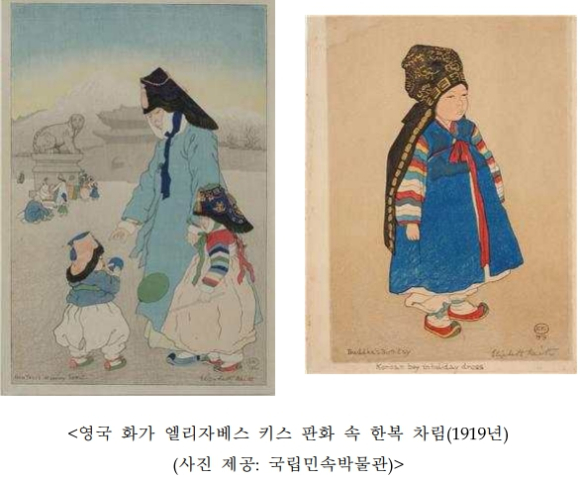
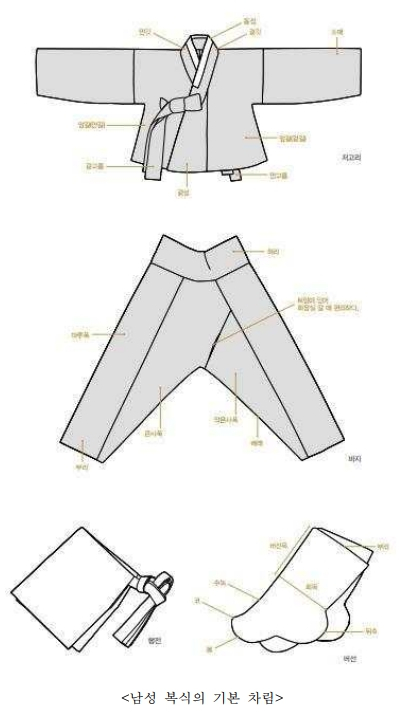
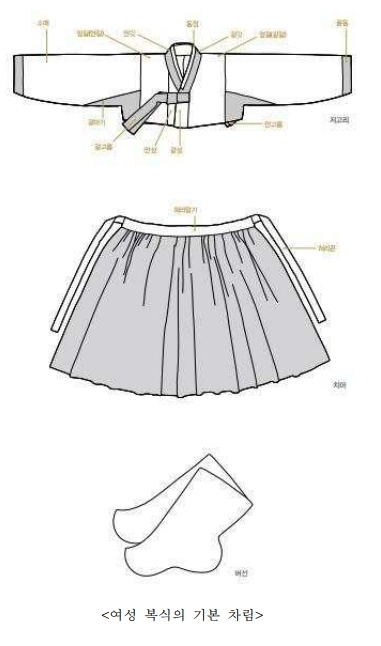
‘한복 입기’는 ▲ 바지·저고리 또는 치마·저고리로 이루어진 2부식 구조, ▲ 옷고름, ▲ 치마-저고리, 바지-저고리 순서로 입는 착용 순서 등을 갖추고 있는 한복(韓服)을 예절·격식·형식이 필요한 의례·관습·놀이 등에 맞춰 입고 향유하는 문화를 뜻한다.
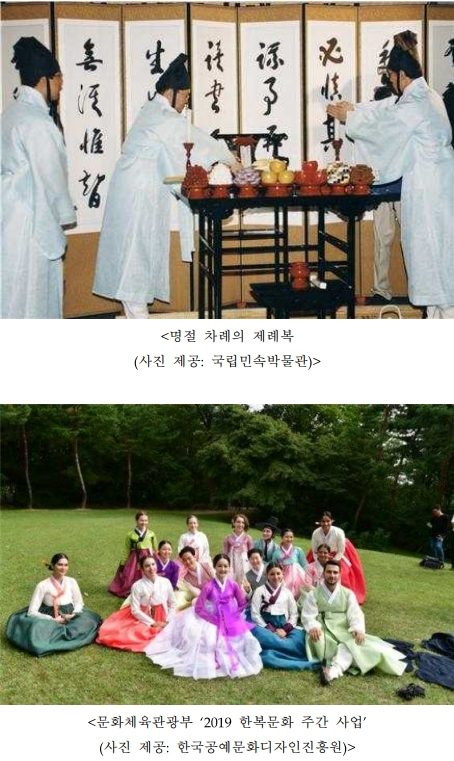
가족 공동체를 중심으로 전승되고 있는 ‘한복 입기’는 설·추석 명절뿐만 아니라 돌잔치·결혼식·상장례·제례 등 일생의례를 통해서도 여전히 행해지고 있는데, 점차 그 빈도와 범위가 줄어들고 있으나 반드시 예(禮)를 갖추는 차원에서 갖춰 입는 그 근간(根幹)은 지금까지도 꾸준히 유지·전승되고 있다.
|
 |
|
| ⓒ hy인산인터넷신문 |
|
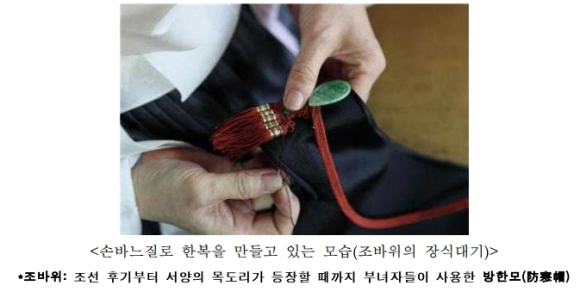
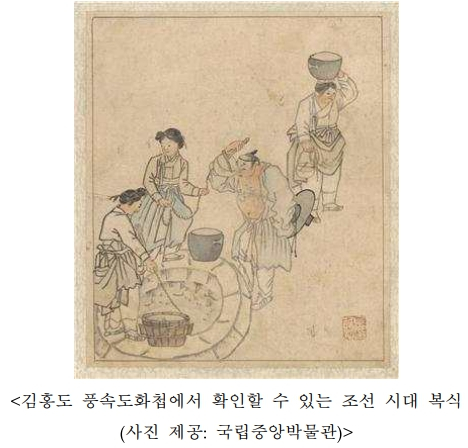
근대적 산업사회가 이루어지기 전에는 주부들이 손수 바느질을 해서 옷을 지어 입거나 수선하여 입는 것이 일반적이었다. 특히, 설이나 추석 등의 명절이면 새로이 원단을 장만하여 옷을 지어 입었는데, 이를 각각 ‘설빔’·‘추석빔’·‘단오빔’이라 하였고 이처럼 계절이 바뀌는 때의 명절에는 필요한 옷을 장만하여 가족의 건강과 안녕을 기원하였다.
이처럼 ‘한복 입기’는 우리 민족에게 단순한 의복이 아니라 가족 공동체의 안녕을 기원하고, 예(禮)를 갖추는 중요한 매개체이기에 매우 중요한 무형적 자산이다.
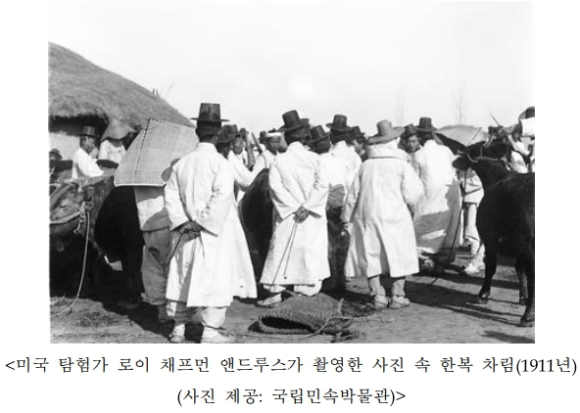
한복은 고구려 고분 벽화, 신라의 토우(土偶), 중국 측 사서(史書) 등 관련 유물과 기록을 통하여 고대에도 착용했음을 확인할 수 있다. 삼국 시대는 바지·저고리 또는 치마·저고리로 이루어진 우리 민족 복식의 기본 구조가 완성된 시기이며, 우리 고유의 복식 문화를 기반으로 변화·발전하면서 조선 시대에 이르러 우리 복식의 전형(典型)을 확립하였다. 1900년 4월 <문관복장규칙>이 반포되어 문관예복으로 양복(洋服)을 입게 되면서부터는 수천 년간 내려오던 한복문화가 한복·양복의 혼합문화로 전환되었다.
|
 |
|
| ⓒ hy인산인터넷신문 |
|
‘한복’이란 용어는 개항(1876) 이후 서양 문물로 들어온 양복과 우리 옷을 구별하기 위해 사용한 것으로 알려져 있으나, 정확히 누가 언제 처음 사용했는지는 특정하기 어렵다. 다만 1881년『승정원일기(承政院日記)』 기사에서 ‘조선의(朝鮮衣)’, 1894년 일본 신문 기사의 ‘한복(韓服)’을 통해 한복이 당대에도 우리 민족의 생활문화·사회구조·민족정신을 담고 있던 것으로 파악된다.
태어난 아이에게 입히는 첫 옷인 ‘배냇저고리’는 아이의 연약한 피부에 닿기 때문에 부드럽고 자극이 적어야 해서 가능한 한 솔기를 적게 하여 지었고, 오늘날 돌복으로 많이 입는 ‘까치두루마기’는 까치설날이라고도 불리는 섣달그믐에 아이들에게 입혔으며, 때로는 설빔으로 입히기도 하였다. 두루마기에 붙이는 색동소매는 벽사(辟邪)와 길상(吉祥)의 의미를 담고 있다.
* 벽사(辟邪): 귀신을 물리침
|
 |
|
| ⓒ hy인산인터넷신문 |
|
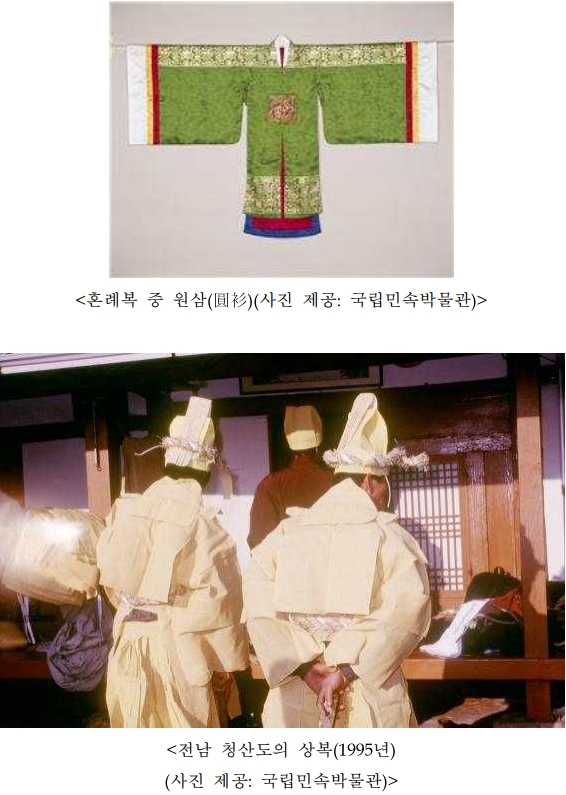
혼례식에서는 ‘녹의홍상(綠衣紅裳)’이라고 하여 신부는 연두저고리와 다홍치마를 입고, 족두리나 화관을 쓰고 겉옷으로 활옷이나 원삼을 착용하였다. 상장례에서 망자(亡者)에게 입히는 수의(壽衣)는 살아생전 윤달에 미리 준비하면 장수(長壽)할 수 있다고 여겼으며, 바느질 매듭을 짓지 않았다. 이는 망자나 자식들이 화통(化通)하지 못하다고 생각하였기 때문이다.
19세기 말 서양식 의복 도입으로 인해 우리 고유의 의생활에도 변화가 생겨 일상복은 간편함과 실용적인 서양식 의복으로 대체되고, 한복의 형태는 크게 간소화되면서 의례복으로 일부 축소되었다. 그러나 현재까지도 의례별로 예(禮)를 갖추는 차원에서 갖춰 입는 그 근간이 유지되고 있다.
|
 |
|
| ⓒ hy인산인터넷신문 |
|
이처럼 ‘한복 입기’는 ▲ 오랜 역사를 가지고 한반도 내에서 전승되고 있다는 점, ▲ 고구려 고분 벽화, 신라의 토우(土偶), 중국 측 사서(史書) 등 관련 유물과 기록이 확인되는 점, ▲ 역사·미학·디자인·패션·기술·경영(마케팅)·산업·교육 등 전방위적으로 학술연구가 왕성하고 앞으로도 학술연구 자료로서의 가능성이 큰 점, ▲ 가족 공동체를 중심으로 현재에도 의례별로(명절·일생의례) 예(禮)를 갖추는 차원에서 갖춰 입는 그 근간이 지속·유지되고 있는 점, ▲ 현재에도 생산 주체, 연구기관, 가족 공동체 등 다양한 전승 공동체를 통하여 한복을 착용하는 등 ‘한복 입기’ 관련 전통지식이 전승·유지되고 있는 점에서 국가무형문화재로 지정할 가치가 있다고 평가받았다.
다만, ‘한복 입기’는 한반도 전역에서 온 국민이 전승·향유하고 있는 문화라는 점에서 이미 지정된 ‘김치 담그기’, ‘장 담그기’ 등과 같이 특정 보유자와 보유단체는 인정하지 않았다.
* 특정한 보유자와 보유단체를 인정하지 않고 지정한 국가무형문화재 현황(총 14건)
: 아리랑, 제다, 씨름, 해녀, 김치 담그기, 제염, 온돌문화, 장 담그기, 전통어로방식–어살, 활쏘기, 인삼재배와 약용문화, 막걸리 빚기, 떡 만들기, 갯벌어로
|
 |
|
| ⓒ hy인산인터넷신문 |
|
문화재청은 ‘한복 입기’에 대해 약 30일간의 예고 기간 중 각계의 의견을 수렴하고, 이후 무형문화재위원회의 심의를 거쳐 국가무형문화재의 지정 여부를 최종적으로 결정할 예정이다. 아울러, 지정 예고 기간에 문화재청 누리집(http://www.cha.go.kr)에서 다양한 의견을 제출할 수 있다.
‘Hanbok-wearing’ To Become National Intangible Cultural Heritage
-Cultural Heritage Administration recognizes the culture of hanbok-wearing and how it embodies the Korean people’s identity and values
The Cultural Heritage Administration (Administrator Kim Hyun-mo) plans to designate hanbok-wearing as a National Intangible Cultural Heritage item.
|
 |
|
| ⓒ hy인산인터넷신문 |
|
Koreans have worn the traditional Korean attire in one way or another in their lives throughout history. It is a traditional way of life and knowledge that embodies the Korean people’s identity and values.
Hanbok consists of the top and the bottom which can be either a skirt or pants. Otgoreum, the ribbons knotted to close the top, completes the look. Hanbok is designed so that people wear the bottom first and then the top. The whole experience of wearing hanbok is, in itself, a culture as it involves unique etiquette and formalities and is executed differently for different occasions – ceremonies and rituals or traditional holidays or recreational events.
Hanbok-wearing has been passed down within families. Koreans today generally wear the traditional wardrobe on traditional holidays like Seollal (the Lunar New Year) or Chuseok (Korean equivalent of the thanksgiving holiday), as well as social rituals like first birthdays, weddings, funerals and ancestral ceremonies. It is true that contemporary Koreans are wearing hanbok far less than their ancestors. However, the fact that people wear hanbok to show their respect remains unchanged.
|
 |
|
| ⓒ hy인산인터넷신문 |
|
Before the industrialization, housewives would make new hanbok for their family members and mend them when necessary, at home. In particular, on traditional holidays Koreans would get new fabric and make clothes. Such a custom is called Seolbim for Seollal, Chuseokbim for Chuseok and Danobim for Dano (which falls on the fifth day of the fifth month of the lunar calendar). It was customary that Koreans got themselves new hanbok for holidays that mark the beginning of a new season with hopes for good health and peace.
As can be seen here, hanbok to Koreans is more than just a piece of clothing, but an important medium through which they showed respect and expressed wishes for good health and peace, which makes it an important intangible asset.
Ancient Koreans are also seen donning hanbok in various artifacts and records like the tomb murals from the Goguryeo dynasty (37 B.C.- A.D. 668), clay figures dating to the Silla dynasty (57 B.C.–A.D. 935) as well as historical documents from China. It was during Korea’s three kingdoms period (57 B.C.-A.D. 668) that the two-piece, top-and-bottom structure of hanbok was completed. Since then, its form evolved and transformed repeatedly until the Joseon dynasty (1392-1910) which was when the prototype of hanbok that we know of today was established. In April of 1900, a new regulation on the dress code of civil servants was proclaimed, which changed civil servants’ official attire to Western-style suits from hanbok. With this, Koreans have begun to wear both Western-style suits and hanbok, after wearing hanbok only for thousands of years.
It is believed the word ‘hanbok’ is used in order to distinguish Korean wardrobe from that of the Western culture since Korea’s wwwing of its ports to the outside world in 1876. (Han means Korean.) However, the exact origin of the word ‘Hanbok’ is unclear. The word ‘Joseon-ui’ or ‘Joseon’s attire’ is used in an 1881 record of Seungjeongwon Ilgi (the diaries of the royal secretariat), while the word ‘hanbok’ can be found in an 1894 article from a Japanese newspaper. What is clear is that even in the years leading up to the introduction of Western-style clothing to Korea, hanbok embodied Koreans’ lifestyle and culture as well as societal and national spirit.
|
 |
|
| ⓒ hy인산인터넷신문 |
|
There are special types of hanbok for certain occasions. ‘Baenaet jeogori’ is the hanbok for newborn babies. For babies’ fragile skin, it’s made with as few seams as possible. The hanbok known as ‘Kachi durumagi’ was traditionally worn on New Year’s Eve – thus the name, as New Year’s Eve was also known as Kachi seollal. Sometimes, children donned Kachi durumagi on New Year’s Day. Today, contemporary Koreans generally dress their babies with Kachi durumagi on their first birthday party. On this specific outfit, the cuffs have a bright array of colors which reflects hopes for fighting off evil spirits and ushering in good fortune.
During a wedding ceremony, a bride traditionally wears a green Jeogori (hanbok top) with crimson skirt as well as ceremonial outerwear Hwalot or wonsam, plus Jokduri or flower headwear on their head. For funerals, a shroud for the dead would be made without a knot as it was believed knots bring a bad luck for the descendants. Koreans also believed that if they made the shroud in advance on a leap month for someone when they are still alive, he or she would live a long life.
Introduction of Western-style clothing brought about changes to Korean clothes and lifestyle. For daily wear, Koreans began wearing Western clothes mostly because they were more convenient. Hanbok also became simpler in its form and became something that Koreans reserved for special occasions. Nonetheless, what hasn’t changed is that wearing hanbok is a way of showing respect and bringing about a special version of oneself.
‘Hanbok wearing’ should be designated as national intangible culture heritage, as it ▲has a long history, being passed down through generations across the Korean peninsula, ▲can be found in relics and records like murals of Goguryeo tombs, clay dolls of Silla and historical documents of China, ▲is being studied extensively in various areas like history, aesthetics, design, fashion, technology, management, marketing, industry and education and continues to be a coveted study subject moving forward, ▲is still considered a way to show respect at traditional holidays and rites of passage, having been passed down within families, ▲and furthermore, is in itself cherished traditional knowledge not just in families and communities but also in production and research entities.
But the Cultural Heritage Administration will not recognize a specific group or person in the designation, as it is a cultural tradition that all Koreans across the Korean peninsula keep, as are the cases with ‘kimchi-making’ and ‘jang-making (Korean sauce and paste making).’
* National Intangible Cultural Heritage items that do not recognize a specific group or person (Total: 14 items):
Arirang (Traditional folk song); Jeda (Tea making); Ssireum (Korean wrestling); Haenyeo (Women divers); Kimchi Damgeugi (Kimchi making); Jeyeom (Traditional salt making); Ondol (Underfloor heating system); Jang Damgeugi (Korean sauce and paste making); Traditional Fish-Eosal (Fishing weir); Hwalssoki (Traditional archery); Insam Jaebae and Yakyong Munhwa (Cultivation of Ginseng and its medicinal application); Makgeolli Bitki (Makgeolli making and sharing); Tteok Mandeulgi (Tteok making and sharing); Getbol Eoro (Tidal flat harvesting)
The Cultural Heritage Administration will receive opinions for 30 days on the planned designation of hanbok-wearing as national intangible cultural heritage, before making a final decision. People can share their views on the designation through the administration’s website (http://www.cha.go.kr). |
정호 기자 / 입력 : 2022년 03월 31일 
- Copyrights ⓒhy인산인터넷신문. 무단 전재 및 재배포 금지 -
|
|
|

 회원가입
회원가입 기사쓰기
기사쓰기







 【제65회 천령문화제】개막식 축하공연..


